Dual-Fuel Generators – Running on Gas With Diesel Backup
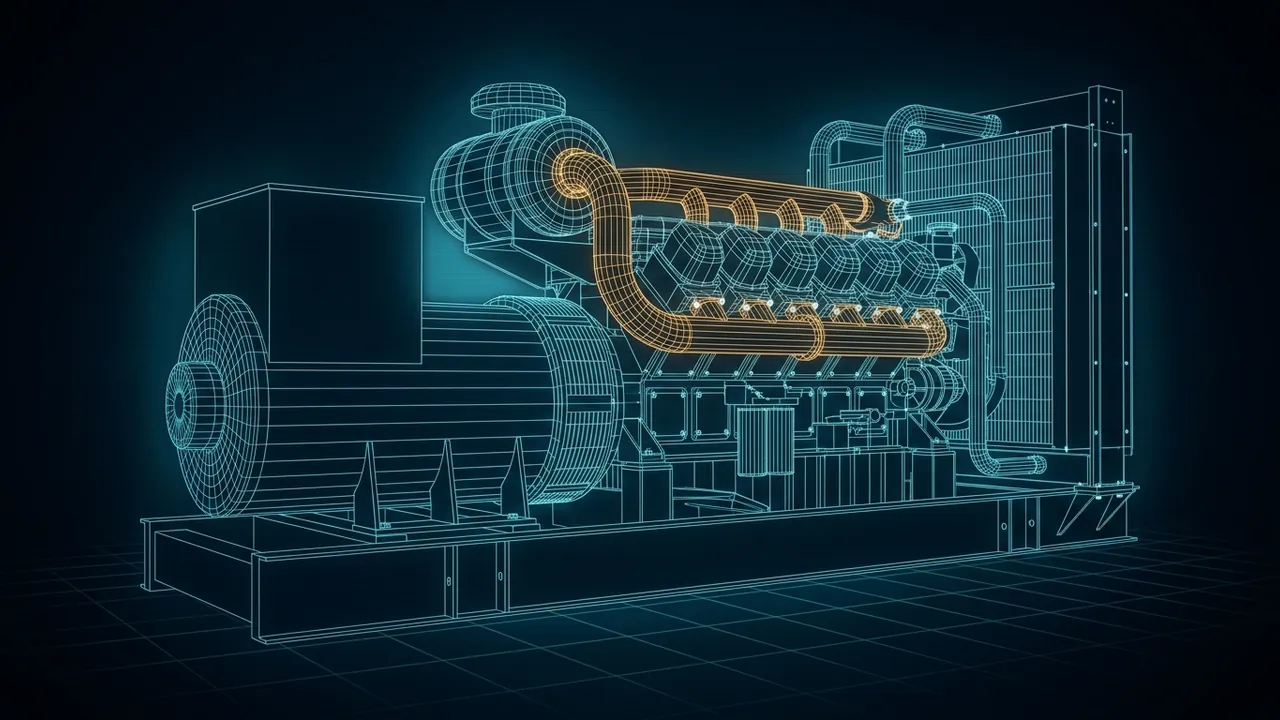
Natural gas is cheap, clean-burning and arrives by pipe without anybody driving a truck. Diesel sits in a tank right next to the engine and does not care if a compressor station two counties over just tripped. Each fuel covers the other's weak spot. How does a dual fuel generator work, and is running on gas with diesel backup worth the extra cost?
A dual fuel generator is an engine or turbine generator set that can run on natural gas as its main fuel and switch to diesel, or another liquid fuel, when gas supply drops or fails. Some designs burn a blend of the two, some switch fully between them, and many can change over while carrying load. The point is resilience: gas delivers low running costs day to day, while stored diesel covers pipeline outages, low gas pressure and the rare cold snap that starves the system. The trade-offs are higher equipment cost, more complex controls, fuel storage to maintain and air permits that often limit how many hours the unit may run on liquid fuel.
What Are the Main Types of Dual Fuel Generators?
The term covers several different machines, and the difference matters when you read a spec sheet.
| Type | How it runs | Typical use |
|---|---|---|
| Bi-fuel diesel engine | A diesel engine that substitutes a share of gas for diesel; diesel still ignites the mix | Standby and prime units wanting longer runtime and lower fuel cost |
| Dual-fuel gas engine | Runs in gas mode with a small diesel pilot for ignition, or fully on diesel when needed | Larger medium-speed plants needing fuel flexibility |
| Dual-fuel gas turbine | Burns gas normally and switches to distillate oil through a separate fuel system | Grid peakers and on-site plants needing firm backup |
A plain spark-ignited gas engine is not dual fuel. It may be able to run on propane as a backup, but switching it to diesel is not an option, because it has no diesel injection system at all.
How a Bi-Fuel Engine Works
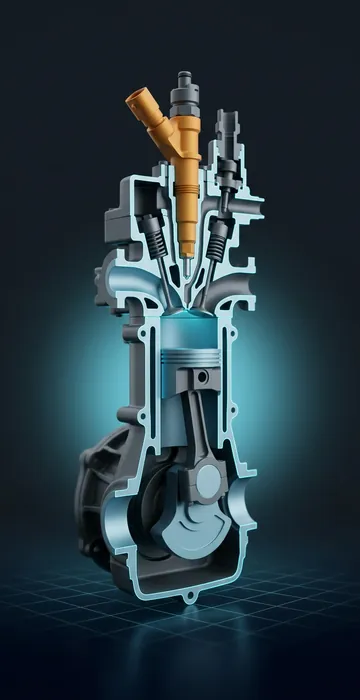
In a bi-fuel setup, gas is mixed into the intake air of a diesel engine, and the injected diesel lights the mixture the way it always would. The controls cut back the diesel as gas comes in. How much gas the engine can take depends on load, gas quality and the system design, and vendors publish their own substitution limits. Run out of gas and the engine simply goes back to 100% diesel without dropping the load.
How Does Fuel Switchover Work?
Switchover is triggered by the control system, usually on low gas pressure or a manual command. On a well-designed unit, it happens while the generator keeps carrying load. The controls ramp one fuel down and the other up over seconds, holding frequency and voltage steady enough for the connected equipment.
Turbines take more care. The liquid fuel system has its own pumps, filters, nozzles and purge cycles, and lines that sit idle for months can collect water or varnish. Owners test switchover regularly, often under load, because a backup fuel system that has never been exercised has a way of failing on the day it is needed.
Why Do Plants Want a Dual Fuel Generator?
The short answer is that even firm gas supply can fail. Pipelines have outages, wellheads freeze and compressor stations trip. A plant that runs on gas alone has a single point of failure upstream of the fence.
Grid operators and regulators have been thinking about this for years. A 2018 FERC and NERC staff report on blackstart capability found that the nine utilities it studied had enough blackstart resources but flagged single-fuel constraints as something to watch. The same logic applies to a data center or industrial site with on-site generation: one fuel is one risk.
Dual fuel also helps during routine trouble, not just disasters. Low gas pressure on the hottest afternoons, a pipeline maintenance window, a bad batch of field gas or a fuel conditioning skid down for repair can all be ridden through on diesel.
How Much Diesel Should a Site Store?
Storage is sized from burn rate and the number of hours you want to cover. Try it on an example 20 MW plant with a heat rate of 10,000 Btu/kWh on liquid fuel:
- Fuel per hour: 20,000 kW × 10,000 Btu/kWh = 200 million British thermal units (MMBtu).
- Diesel holds roughly 138,000 Btu per gallon, so: 200,000,000 ÷ 138,000 ≈ 1,450 gallons per hour.
- Per day: 1,450 × 24 ≈ 34,800 gallons.
- For 48 hours of full-load backup: about 70,000 gallons.
That is several tanker loads just to fill the tank, and the fuel needs care while it waits. Diesel absorbs water, grows microbes and degrades over time, so long-held fuel is usually tested and polished on a schedule. Many sites also arrange priority refueling contracts, because a 48-hour tank is only as good as the truck that refills it on hour 40.
Do Air Permits Limit Running on Diesel?
Usually, yes. Diesel produces more nitrogen oxides (NOx) and particulate matter than natural gas in most engines and turbines, so air permits often cap hours on liquid fuel or allow it only when gas is unavailable. Gas turbines with dry low-NOx combustors may need water injection or other measures to keep NOx down on liquid fuel, which is a big part of any NOx emissions control design.
Permits vary by state, size and attainment status, so work with your air permitting consultant and state regulator early. A permit written only for emergency diesel use can surprise an owner who later wants to run diesel during a long gas outage.
How Are Dual Fuel Generators Rated?
Ratings follow the same ISO 8528 categories as other gensets. Cummins' guide to ISO 8528 generator set ratings lays out emergency standby (limited hours per year), prime (unlimited hours at a variable load) and continuous (unlimited hours at constant load). A dual fuel unit may carry different ratings on each fuel, and output on gas can be lower, especially on rich or low-pressure gas. Always check which rating and which fuel the nameplate number refers to.
Can You Convert a Diesel Generator to Dual Fuel?
Often, yes. Bi-fuel conversion kits for existing diesel gensets have been on the market for years. They add a gas train, a mixer on the air intake and controls that trim the diesel as gas flows in. The engine keeps its diesel system, so it can always go back to straight diesel.
Before you convert, check a few things. The engine maker or kit supplier should confirm the model is a good candidate and explain what happens to the warranty. The air permit may need to be revised, since the engine's emissions profile changes. And the site needs gas at the right pressure and quality, which may mean a small regulator and filter package. A conversion done right can stretch runtime and cut fuel bills on a standby or prime unit. Done casually, it can create knock problems and permit headaches.
What Does Dual Fuel Cost?
You pay more for the engine or turbine, for the second fuel system, for tanks and containment, and for the controls and testing that keep it all working. You also pay to keep diesel fresh. What you buy is time: hours or days of operation when gas is gone.
Whether that is worth it depends on what an outage costs you. A flexible load like a bitcoin mine may shrug off a gas interruption. A site with tenants expecting high uptime, or a plant with contractual delivery obligations, usually finds dual fuel cheap insurance.
Is a Dual Fuel Generator the Right Backup for You?
A dual fuel generator gives you the running economics of natural gas and the independence of a fuel tank you control. It comes in several flavors, from bi-fuel diesel engines to full dual-fuel turbines, and each handles switchover, ratings and emissions a little differently.
The deciding number is how many hours of gas outage you need to survive. Pin that down first, then do the tank math, read the permit limits and test the switchover like you mean it. Backup fuel is only real if it starts on the first try.