Can Curtailed Wind and Solar Power Computing? – Flexible Loads
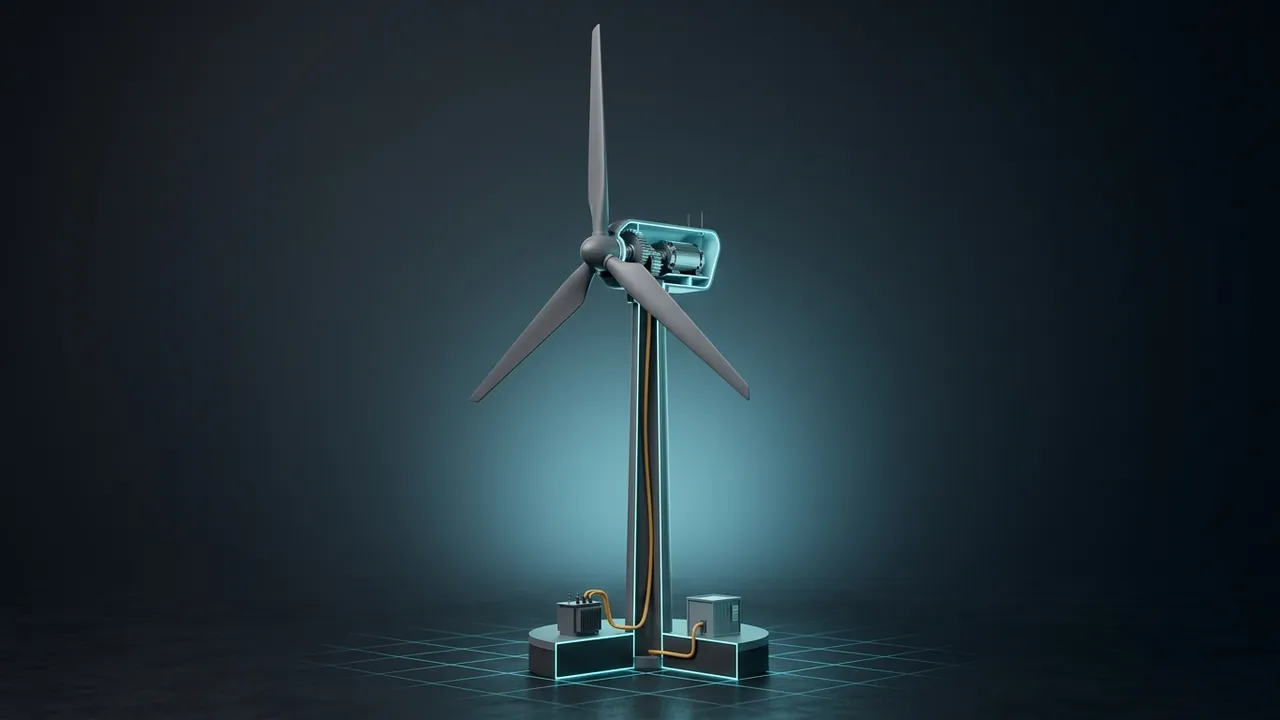
On a windy spring night in West Texas, you can see something odd. Turbines stand still or turn lazily while the wind is howling, and a few miles off a flare is burning on a well pad. Two kinds of energy, both going to waste, within sight of each other. People who work with stranded gas look at curtailed renewable energy and recognize the problem right away. Can curtailed wind and solar actually power computers, or does it only sound good on paper?
Yes, curtailed renewable energy can power computing, but only work that can stop and start without harm, because surplus solar and wind arrive in bursts, not around the clock. It comes on spring middays when solar floods the grid, on windy nights when demand is low, and in hours when transmission lines are full. A load that can soak up those hours, such as bitcoin mining or batch jobs like rendering, can buy power that is cheap or even negative-priced. Round-the-clock loads have to blend it with other supply. The real question is whether the hardware still pays for itself when it only runs part of the time.
What Is Curtailed Renewable Energy?
Curtailment is when a wind or solar plant could make more power than it is allowed to deliver. The grid operator, or the market, tells it to back off. The turbines feather their blades, the solar inverters throttle down, and that energy is simply never produced.
The U.S. Energy Information Administration lists the usual causes in its write-up on rising wind and solar curtailment in California:
- Congestion, when power lines do not have enough capacity to carry the energy out.
- Oversupply, when generation is greater than what customers are using.
- Keeping room for gas plants that must stay running so they can ramp up when the sun goes down.
EIA also notes that most curtailment happens through price signals rather than direct orders. When there is too much power in one spot, the price there drops, sometimes below zero. Wind farms that earn federal production tax credits can keep running at slightly negative prices because the credit still pays them, which tells you how deep the glut can get.
When and Where Does Curtailment Happen?
It follows the weather and the wires. In California, EIA reports that solar curtailment peaks in spring, when the sun is strong and mild temperatures keep air conditioners off. The worst hours sit right around midday.
Wind curtailment has a different shape. It tends to hit at night and in the shoulder seasons, when the wind blows hard and people are asleep. It also clusters in places where wind farms got built faster than transmission. West Texas learned that lesson in the late 2000s, before the state's Competitive Renewable Energy Zone (CREZ) transmission lines were finished and could carry more Panhandle and West Texas wind to the cities.
That location piece is important. Curtailed power is not floating around the whole grid. It is trapped behind a specific bottleneck, and a computing site only benefits if it sits on the right side of that bottleneck.
What Kind of Computing Can Use Curtailed Power?
The kind that does not mind waiting. In the oilfield we would call that an interruptible load, the same way a compressor on an interruptible gas contract can get shut in when the pipe is full.
Good fits:
- Bitcoin mining. Miners can shut down in seconds and restart with no lost work beyond the time they were off.
- Batch rendering for 3D animation and visual effects, where frames can queue up and finish overnight or over a weekend.
- Scientific and engineering batch runs, such as reservoir simulations or weather studies, that are not tied to a live user.
- Backups and large data processing jobs with flexible deadlines.
Poor fits are anything a customer is waiting on in real time: websites, banking systems, phone apps, video calls. Those need power every second, plus backup on top of that. Running them on curtailment alone would be like running a gas plant on flare gas from a single well with no backup supply.
Does the Math Work for Part-Time Power?

Here is where the shine comes off a little. Cheap power helps, but the computers cost money whether they are running or not. When they only run part-time, each running hour has to carry more of that cost.
Here is an illustrative example:
- Computing hardware cost: $1,000 per kW of load
- Useful life: 3 years, or 26,280 hours
- Running full time, each kW uses 26,280 kWh over its life, so hardware adds $1,000 ÷ 26,280 = about $0.038 per kWh
- Running only during curtailment, say 2,000 hours a year, each kW uses 6,000 kWh over its life, so hardware adds $1,000 ÷ 6,000 = about $0.167 per kWh
In this example, free electricity during 2,000 hours still leaves the part-time site carrying hardware costs more than four times higher per unit of work. Free power cannot close a gap that big on its own. That is why most real flexible loads do not live on curtailment alone. They run most of the year on reasonably priced power and switch off during the expensive hours, which turns the math around.
Curtailed energy is a discount, not a business plan. The business plan is a flexible load that runs most hours and gets paid, or saves big, for stepping aside during the rest.
Behind the Meter or On the Grid?
There are two basic setups, and they behave differently.
Co-Located at the Wind or Solar Farm
The computing site sits next to the plant's substation and takes power before it hits the congested line. When the line is full, the site soaks up energy that would have been curtailed. When the line has room, the plant can sell to the grid instead, or keep feeding the site under a contract. This needs a deal with the plant owner, space at the substation, and a way to keep the site running on windless days, often a grid connection anyway.
A Flexible Load on the Grid
The site connects to the grid like any big customer and buys power at wholesale or through a retail deal tied to market prices. It runs hard when prices are low, which often lines up with curtailment, and ramps down when prices spike. Grid operators and utilities also pay flexible loads to stand ready to cut demand during emergencies. That flexibility is worth money in its own right.
Batteries compete for the same cheap hours. EIA notes that storage can charge on extra midday solar and discharge four to eight hours later. Every battery that gets built shaves off some of the curtailment a computing site was counting on, so do not assume today's glut will last forever.
How Does This Compare With Flare Gas?
They are cousins with opposite personalities. Curtailment is plentiful but bursty. Gas at the wellhead is steady day and night, but it fades as the well declines.
Gas that comes up with crude oil, called associated gas, often gets flared because the pipeline is full or never arrived. A generator on that gas can run a computing load around the clock for months or years. A computing load on curtailed renewable energy might run a third of the hours or less unless it also buys regular grid power.
Both work best with the same kind of customer: a load that is portable or flexible, cares mostly about price, and can tolerate interruptions. That is why the same companies have shown up in both places over the years.
Curtailed Renewable Energy Rewards Loads That Can Wait
Can curtailed renewable energy power computing? It can, for the right work in the right spot. The energy is real, it is often cheap or negative-priced, and it tends to show up in predictable seasons and hours behind known bottlenecks.
The catch is that a computer running part-time is an expensive computer. The sites that make this work treat curtailment as a bonus on top of a flexible load that runs most of the year, not as their only fuel. If you are scouting a site, study the local price history and the transmission plans first. A new line or a big battery project down the road can erase the very curtailment you came for.